10 Proven Strategies to Lose Belly Fat Fast


10 Proven Strategies to Lose Belly Fat Fast

Are you tired of trying everything and still not losing that stubborn belly fat? We understand your frustration and are here to help with practical, proven strategies. This comprehensive guide is designed to assist males and females in their journey towards a flatter stomach.*
Table of Contents
1. Introduction
2. Understand Your Belly Fat
3. High-Intensity Interval Training
4. Strength Training
5. Balanced Diet
6. Reduce Sugar Intake
7. Increase Protein Intake
8. Manage Stress Levels
9. Get Adequate Sleep
10. Stay Hydrated
11. Intermittent Fasting
12. Consider Supplements
13. Conclusion
Introduction
Losing belly fat can be one of the most frustrating parts of a fitness journey. Many people, regardless of gender, struggle with this stubborn area. This blog aims to provide you with ten proven strategies to lose belly fat fast, helping you understand the science behind these methods and offering practical tips to incorporate them into your lifestyle.
Understand Your Belly Fat
Before diving into the strategies, it’s essential to understand the different types of belly fat. There are two main types:
1. Subcutaneous Fat: The fat stored under the skin. It’s what you can pinch and is generally harmless, but it can be stubborn to lose.
2. Visceral Fat: This fat is stored around your organs. It’s more dangerous and is associated with various health issues such as heart disease and diabetes.
Both types of fat require different approaches, but the strategies discussed here will help address both.
1. High-Intensity Interval Training (HIIT)

Why It Works
HIIT involves short bursts of intense exercise followed by brief recovery periods. This type of training is highly effective for burning calories and improving metabolic health.
Practical Takeaway
Incorporate HIIT into your routine 2-3 times a week. A typical HIIT workout might include:
- 30 seconds of sprinting
- 30 seconds of walking
- Repeat for 15-20 minutes
Different Viewpoints
Some experts argue that steady-state cardio is equally effective for fat loss, but studies have shown that HIIT can lead to more significant reductions in both subcutaneous and visceral fat.
2. Strength Training

Why It Works
Building muscle through strength training helps increase your resting metabolic rate, meaning you’ll burn more calories even when you’re not exercising.
Practical Takeaway
Incorporate strength training exercises, such as squats, deadlifts, and bench presses, at least twice a week. Aim for 8-12 reps per set.
Different Viewpoints
While some believe cardio is the best way to lose fat, combining strength training with cardio can provide more comprehensive benefits.
3. Balanced Diet
Why It Works
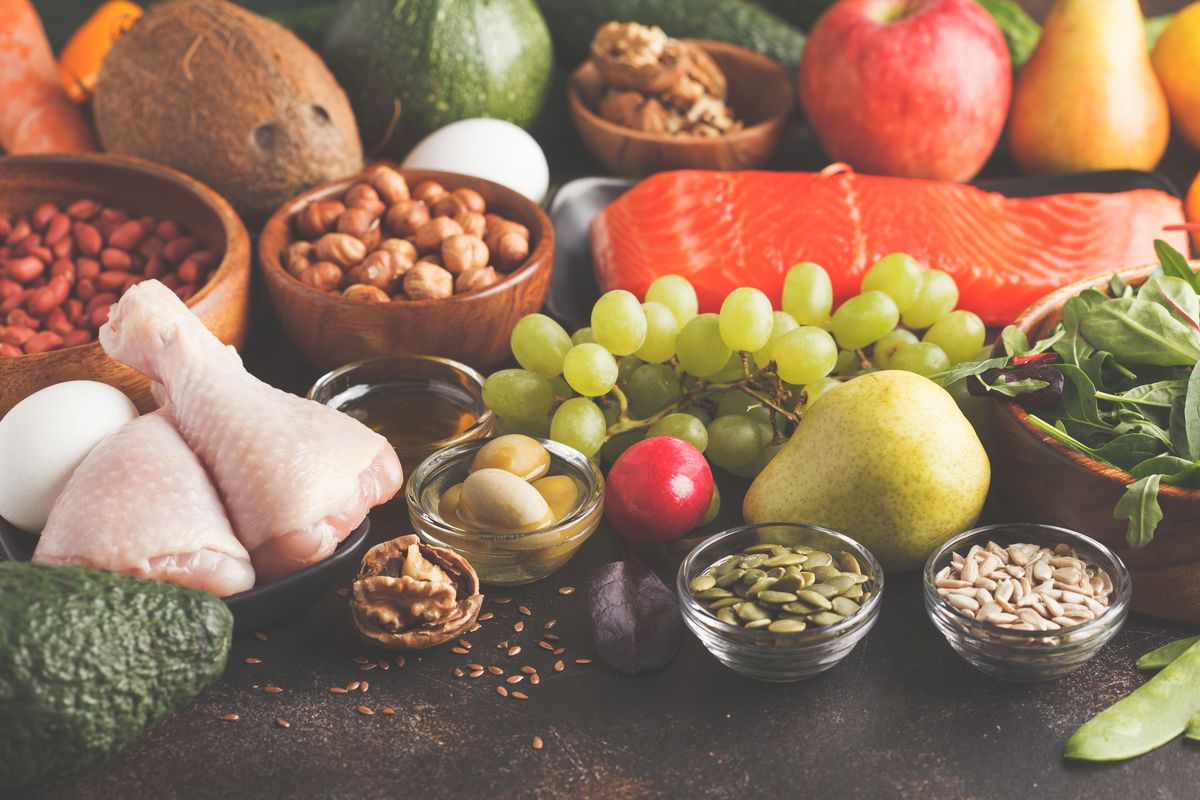
A balanced diet rich in whole foods provides the nutrients your body needs to function optimally and maintain a healthy weight.
Practical Takeaway
Focus on eating lean proteins, healthy fats, and plenty of fruits and vegetables. Avoid processed foods and excess carbohydrates.
Different Viewpoints
There are many diets out there, but research supports the effectiveness of balanced, nutrient-dense eating plans like the Mediterranean diet for sustainable weight loss.
4. Reduce Sugar Intake
Why It Works
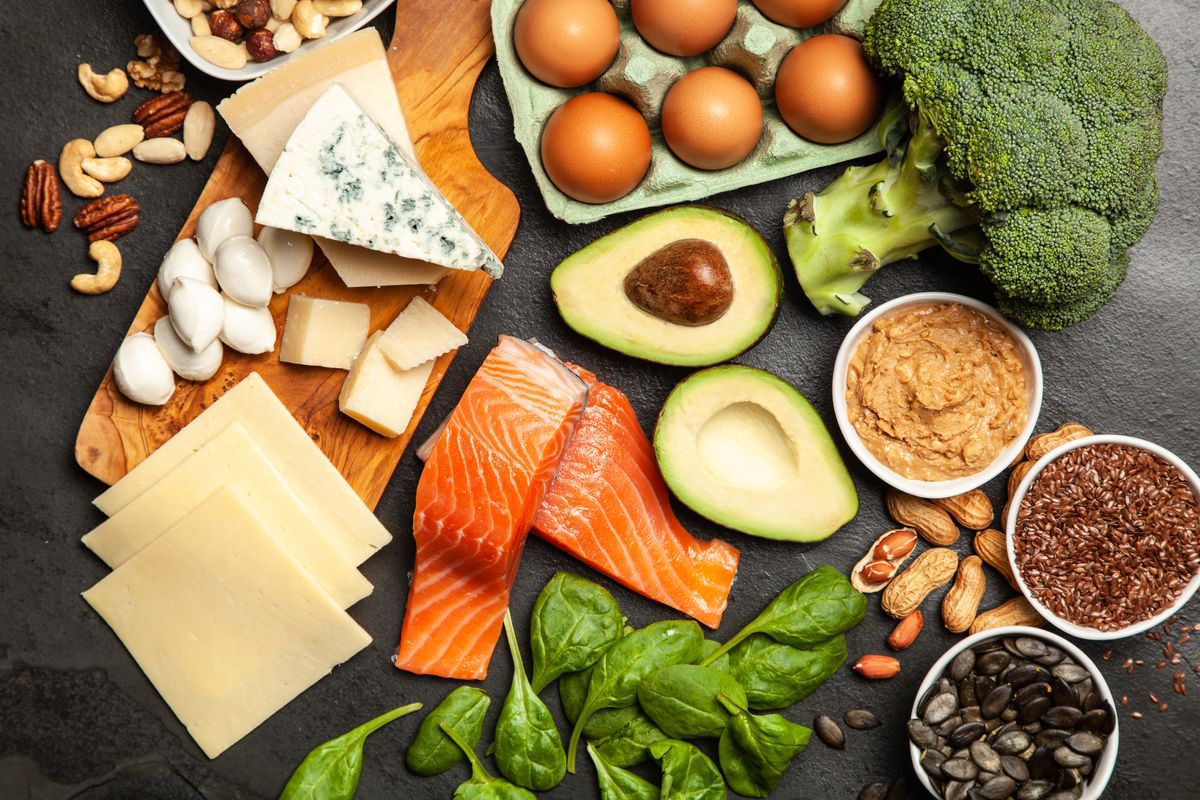
Excessive sugar consumption is linked to increased abdominal fat due to its effects on insulin resistance and inflammation.
Practical Takeaway
Read labels and try to limit your intake of sugary drinks, sweets, and processed foods. Opt for natural sweeteners like honey or stevia in moderation.
Different Viewpoints
Some argue that not all sugars are equal, and natural sugars found in fruits are beneficial. This is true, but moderation is key.
5. Increase Protein Intake
Why It Works
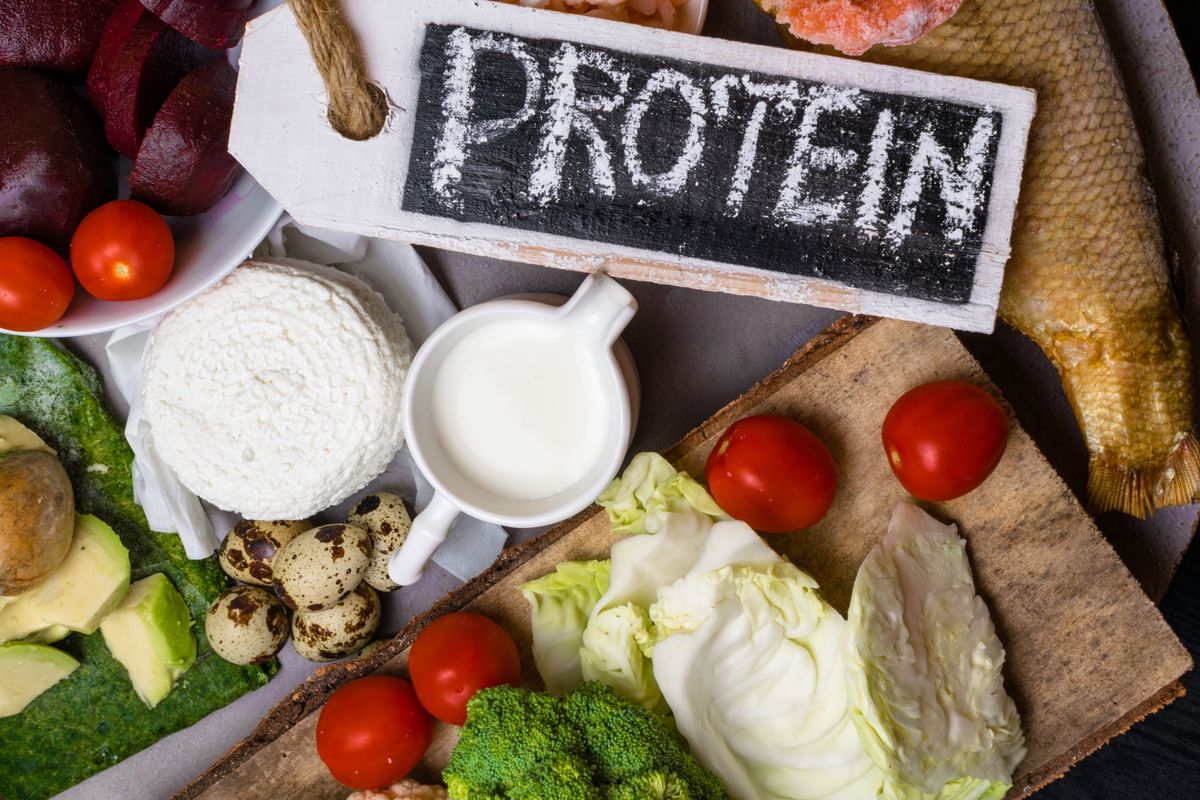
Protein helps you feel fuller for longer, boosts metabolism, and supports muscle growth.
Practical Takeaway
Include a source of protein in every meal, such as chicken, fish, beans, or tofu. Aim for 0.8-1 gram of protein per pound of body weight.
Different Viewpoints
High-protein diets are sometimes criticized for potential kidney strain, but this is generally only a concern for individuals with pre-existing kidney conditions.
6. Manage Stress Levels

Why It Works
Chronic stress leads to elevated cortisol levels, which can increase appetite and lead to abdominal fat storage.
Practical Takeaway
Incorporate stress-reducing activities into your daily routine, such as yoga, meditation, or even simple breathing exercises.
Different Viewpoints
While some stress is unavoidable, how we manage it can significantly impact our health. Cognitive-behavioral therapy (CBT) and mindfulness are also effective stress management techniques.
7. Get Adequate Sleep

Why It Works
Lack of sleep disrupts hormones that regulate hunger and appetite, leading to weight gain, particularly around the belly.
Practical Takeaway
Aim for 7-9 hours of quality sleep per night. Create a bedtime routine to improve sleep hygiene, such as avoiding screens before bed and keeping a consistent sleep schedule.
Different Viewpoints
Some people can function on less sleep, but consistently getting less than 7 hours can increase the risk of weight gain and other health issues.
8. Stay Hydrated

Why It Works
Staying hydrated helps with overall bodily functions, including metabolism and digestion. Sometimes, our bodies can confuse thirst with hunger.
Practical Takeaway
Drink at least 8 glasses of water a day. Carry a water bottle with you to ensure you’re drinking consistently throughout the day.
Different Viewpoints
While the "8 glasses" rule is a general guideline, individual needs can vary based on activity level, climate, and overall health.
9. Intermittent Fasting

Why It Works
Intermittent fasting (IF) can help reduce calorie intake and improve metabolic health by altering the periods of eating and fasting.
Practical Takeaway
Try the 16/8 method: eat during an 8-hour window and fast for 16 hours. For example, you might eat between 12 PM and 8 PM.
Different Viewpoints
While IF works for many, it’s not suitable for everyone, especially those with certain medical conditions or those who have struggled with eating disorders.
10. Consider Supplements

Why It Works
Certain supplements can support fat loss by enhancing metabolism, reducing appetite, or aiding digestion.
Practical Takeaway
Consider supplements such as green tea extract, caffeine, or soluble fibre. Always consult with a healthcare provider before starting any supplement regimen.
Different Viewpoints
Supplements should not replace a balanced diet and healthy lifestyle but can be an adjunct to other fat-loss strategies.
Conclusion
Losing belly fat is a common goal, but it requires a multifaceted approach. By incorporating these ten proven strategies—ranging from exercise and diet to stress management and adequate sleep—you can achieve and maintain a healthier, trimmer waistline. Remember, the journey is personal, and what works for one person may not work for another. It’s essential to find the right combination of strategies that fit your lifestyle and preferences.
If you're considering adding supplements to your routine, click here to explore options that could complement your belly fat loss journey.
Remember, you are not alone in this struggle. With persistence and the right approach, you can achieve your goals and improve your overall health.

---
Sources:
1. [HIIT vs. Steady-State Cardio for Fat Loss](https://www.ncbi.nlm.nih.gov)
2. [Benefits of High-Intensity Interval Training](https://www.healthline.com)
3. [Strength Training and Fat Loss](https://www.bodybuilding.com)
4. [Mediterranean Diet for Weight Loss](https://www.webmd.com)
5. [Impact of Sugar on Belly Fat](https://www.health.harvard.edu)
6. [High-Protein Diets and Health](https://www.ncbi.nlm.nih.gov)
7. [Stress and Weight Gain](https://www.mayoclinic.org)
8. [Sleep and Weight Management](https://www.sleepfoundation.org)
9. [Hydration and Health](https://www.cdc.gov)
10. [Intermittent Fasting: Benefits and Risks](https://www.healthline.com)
11. [Effectiveness of Fat Loss Supplements](https://www.webmd.com)